Solution
Critical facility protection
Emergency Response Border patrol Security in key areas Critical facility protection
Industry demand
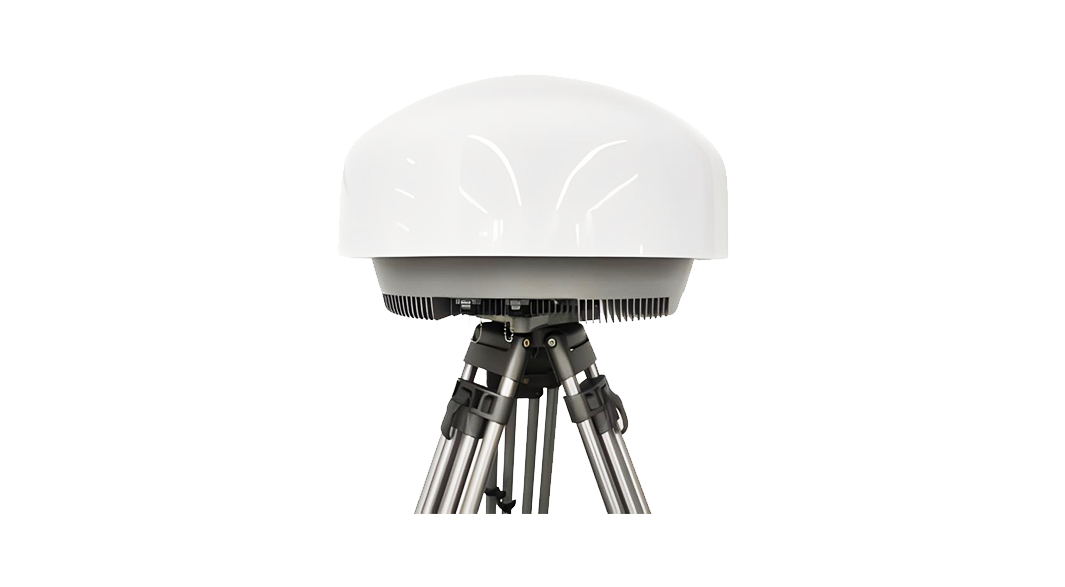
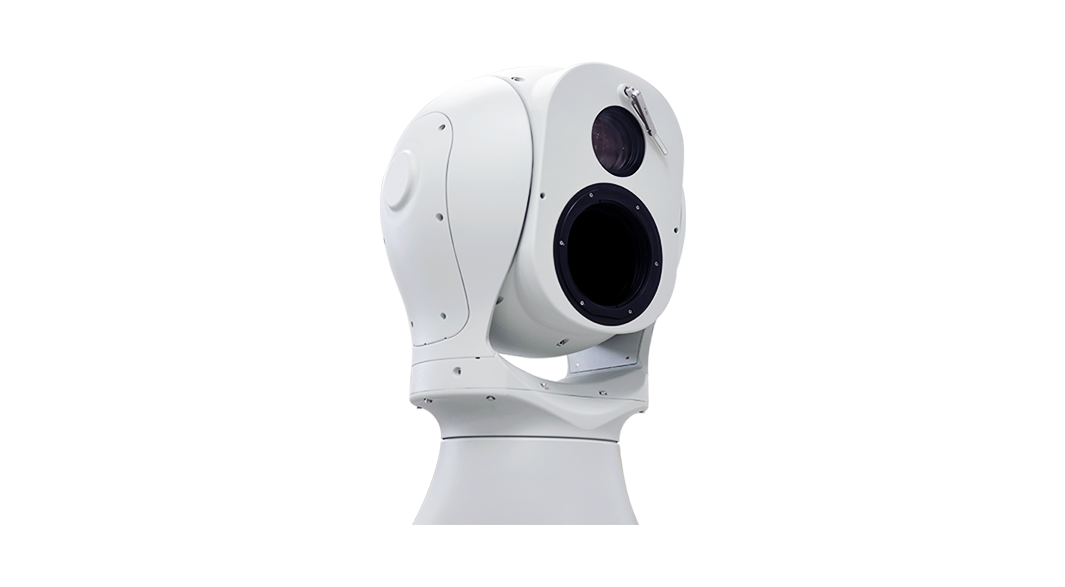
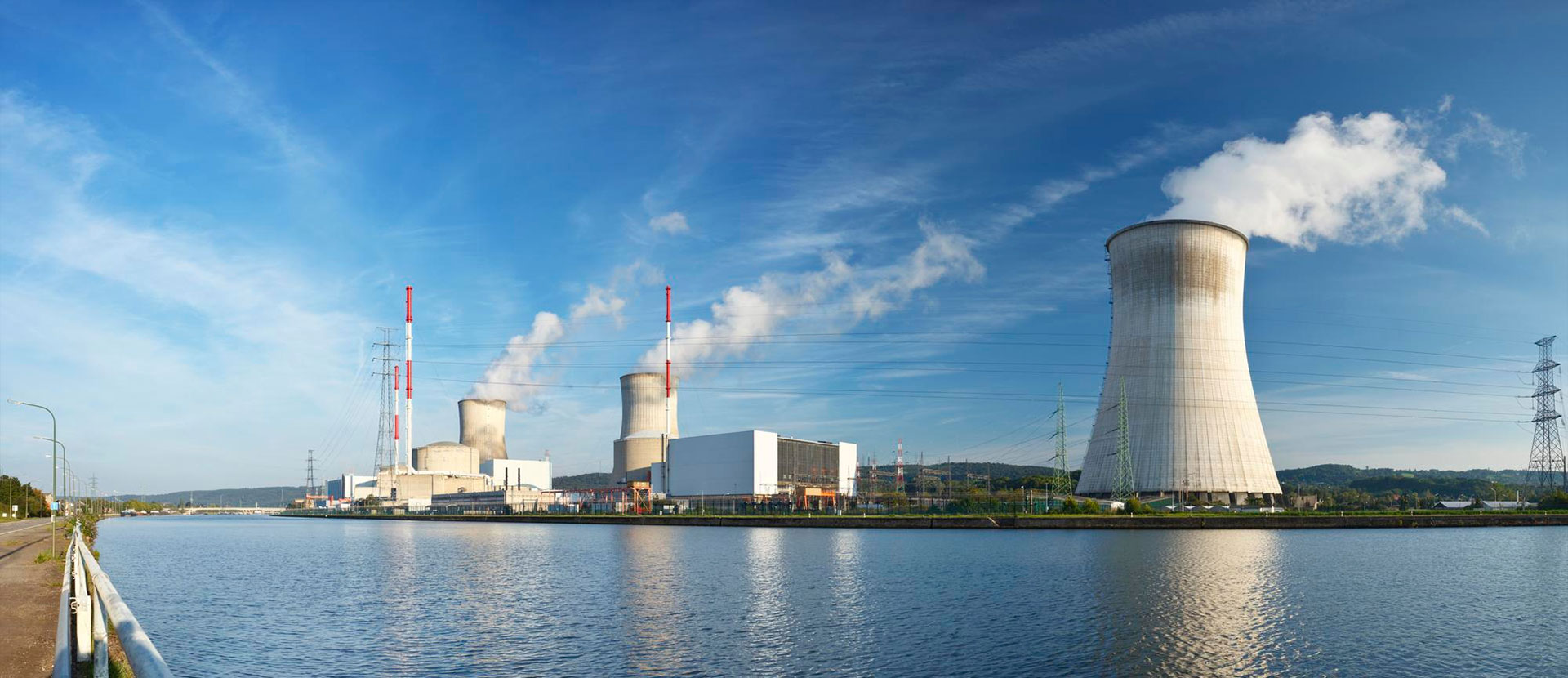
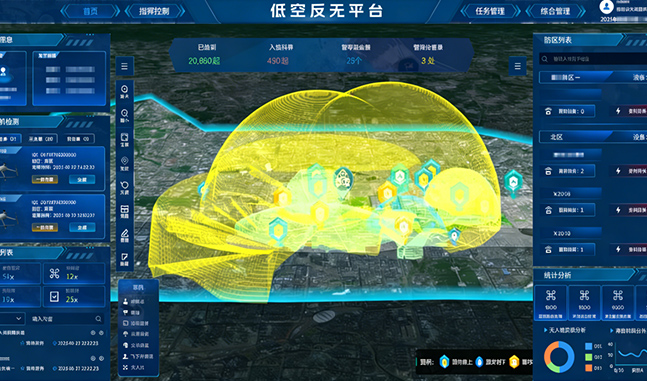
Against the backdrop of escalating low-altitude threats, critical infrastructure such as power grid substations and oil production facilities are frequently subjected to intrusions by unauthorized drones. Building an efficient low-altitude defense barrier has become an essential industry requirement. By deeply integrating photoelectric turntables with anti-drone equipment, an integrated collaborative defense system is established. Using the photoelectric turntable as the core sensing unit and equipped with dual-band detection technology, it can accurately capture drone trajectories, identify targets, and transmit data synchronously around the clock, effectively addressing the pain points of traditional defenses and providing solid support for precise countermeasures. The anti-drone equipment relies on front-end sensing data and employs a combination of radio monitoring and navigation deception. It can be flexibly deployed in both fixed and mobile modes, while parameter optimization avoids interference with critical facilities and equipment, achieving integrated reconnaissance and strike capabilities around key areas such as substations. The system's collaborative operation achieves fully automated operation, adapting to complex all-weather scenarios, effectively resisting various illegal low-altitude drone threats, safeguarding the security of critical facilities, and contributing to the stable and orderly development of the industry.

Solution Overview
PREV
NEXT
Chemical plant area
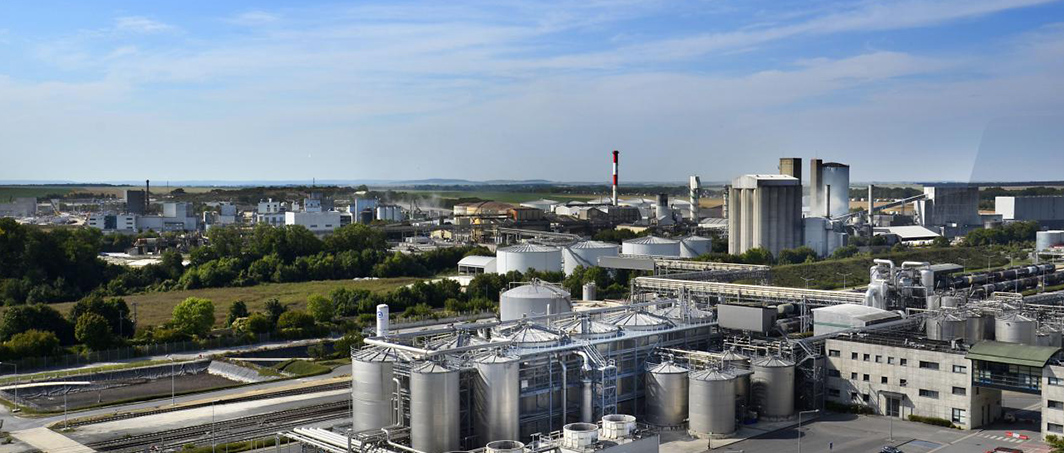
Chemical plant areas are high-risk zones, containing numerous flammable and explosive facilities. The core of low-altitude security is the early warning and precise handling of drones, strictly preventing drone intrusion that could lead to safety incidents or espionage. The system prioritizes explosion-proof principles, establishing electronic fences and deploying intelligent photoelectric turntables in core areas, utilizing infrared thermal imaging for 24-hour monitoring. Upon identifying a drone using AI algorithms, the system immediately issues the highest-level alarm and tracks its trajectory, prioritizing security countermeasures such as navigation deception and directional suppression to ensure plant safety.
Oil production base
In low-altitude security at oil production bases, photoelectric turntables are deployed atop towering facilities within the plant area. Ultra-long-range models are selected to achieve seamless, full-coverage monitoring of the production area, oil storage tank area, and surrounding areas, ensuring large-scale security monitoring needs. Anti-drone equipment employs a layered application strategy: peripheral radio detection equipment locates drone operators; navigation deception is used to drive away drones in the early warning zone; and directional jamming equipment is used to force drones to land in the core area. Working in conjunction with the photoelectric turntables, this achieves coordinated monitoring and countermeasures, comprehensively preventing security risks.
Hydropower Dam
Hydropower dams are critical national infrastructure projects. Low-altitude security focuses on key areas such as the dam itself and power plant buildings, addressing challenges related to complex terrain and numerous interfering objects. The system deploys photoelectric turntables according to the terrain, utilizes thermal imaging to overcome water surface reflections and fog effects, and employs AI algorithms to filter out bird interference. Upon detecting a suspicious drone, it immediately initiates high-power jamming, forcing it to land, while simultaneously communicating with the dispatch center, ensuring no disruption to the normal operation of the power plant.
Application scenarios
01.
Airport anti-no application
02.
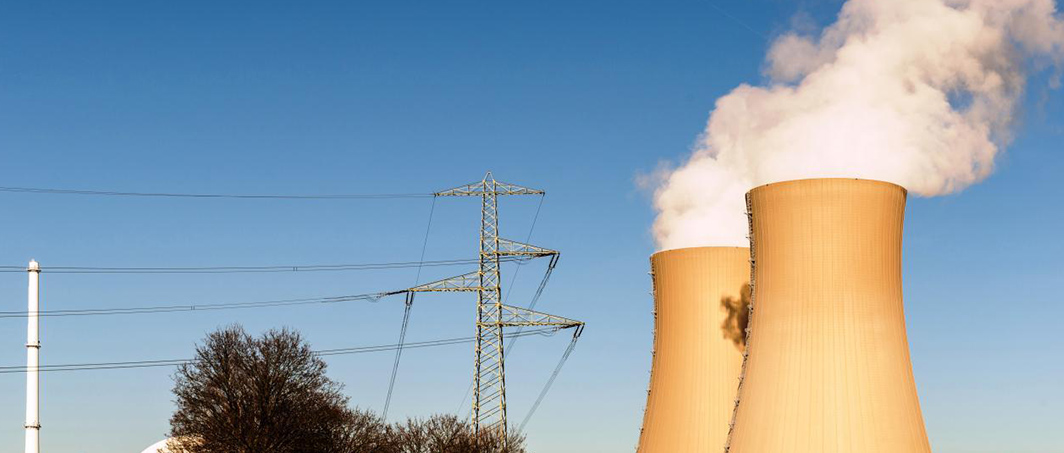
Power generation facilities have no application
03.
Natural gas facilities have no application
Product Recommendations

Online message